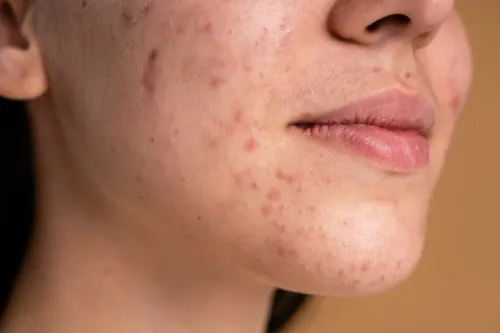


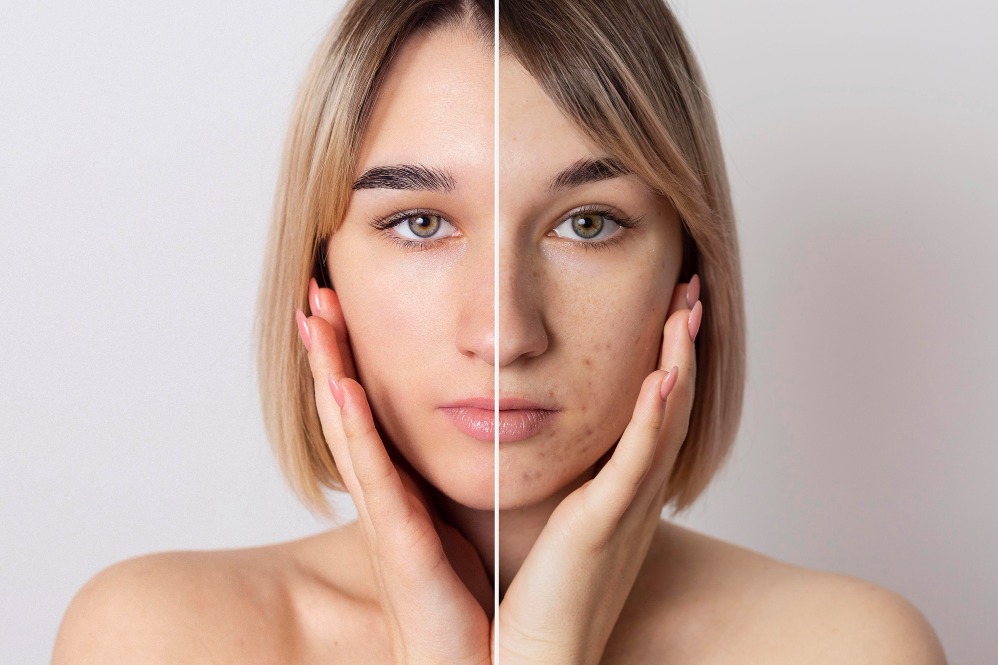
Pigmentation is a broad term rather than a single skin condition. Brown patches, post-acne marks, sun-related spots, melasma, and uneven facial tone can look similar to an untrained eye while having different causes and treatment requirements.
This distinction matters when considering Pigmentation Treatment in Nashik. Simply using a brightening cream without identifying the pigmentation pattern can produce limited results and, in some cases, irritate the skin.
Common reasons for facial pigmentation include sun exposure, inflammation after acne, hormonal influences, skin irritation, certain medicines, and melasma. Some pigmentation sits closer to the skin surface, while other pigment may be deeper. Its location can influence how readily it responds to treatment.
Nashik residents are exposed to considerable sunlight through much of the year. Daily ultraviolet and visible-light exposure can contribute to tanning and may worsen certain pigmentation conditions. Sun protection therefore becomes an important part of pigmentation management rather than something reserved only for outdoor holidays.
Why does pigmentation sometimes return?
One common frustration is seeing dark patches improve and then become visible again. Recurrence can happen when the underlying trigger continues.
For example, pigmentation may become more noticeable after:
- Prolonged sun exposure
- Inadequate sunscreen use
- Acne inflammation
- Picking or rubbing the skin
- Irritating cosmetic products
- Hormonal changes in susceptible individuals
Treatment options vary considerably. Dermatological management may include topical agents, carefully selected chemical peels, laser-based procedures for suitable indications, or combinations of treatments. The appropriate choice depends on the pigmentation type, skin tone, depth, sensitivity, and medical history.
Aggressive treatment is not automatically better. Over-exfoliating pigmented skin can cause irritation, and inflammation itself may produce additional pigmentation, particularly in skin types prone to post-inflammatory hyperpigmentation.
What can support pigmentation treatment?
Consistent sun protection is one of the most useful habits. A suitable sunscreen should be applied regularly, especially when spending significant time outdoors. Hats, shade, and other physical sun-protection measures can provide additional support.
A gentle skincare routine is equally important. Frequently switching between strong acids, scrubs, bleaching products, and home remedies may make it harder to understand what is helping or irritating the skin.
Pigmentation often requires patience because skin pigment does not disappear uniformly or instantly. A useful treatment plan begins by identifying what type of pigmentation is present and then selecting methods appropriate for that diagnosis.
When patches are persistent, spreading, changing unexpectedly, or not responding to routine skincare, a clinical skin assessment can clarify the cause before additional treatments are attempted.