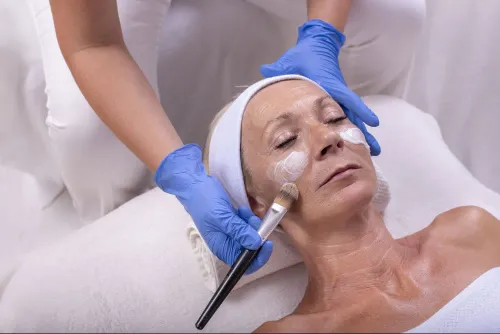


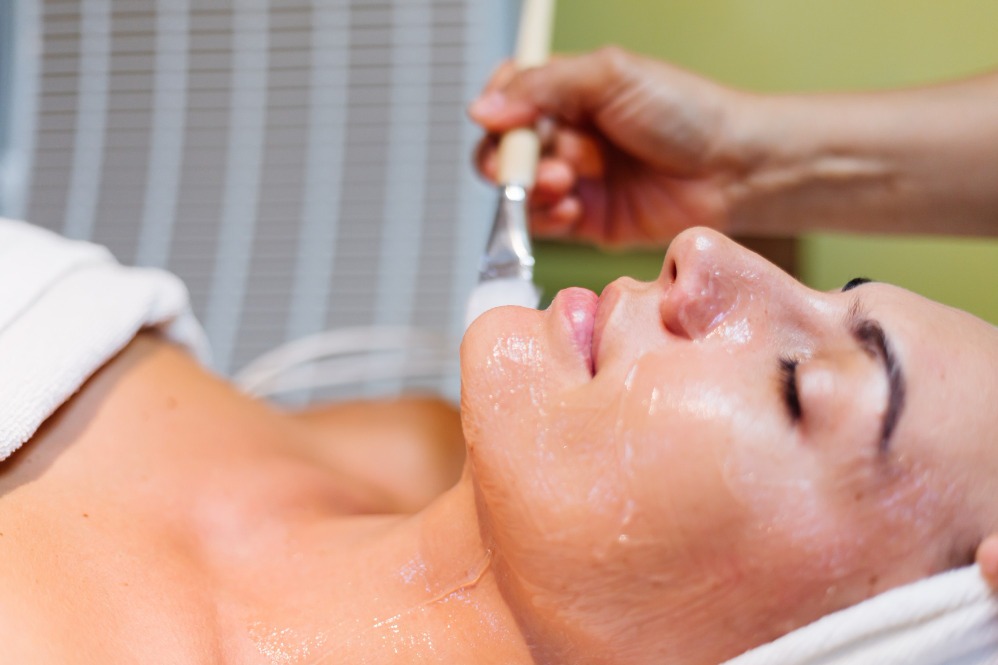
Chemical peeling is a controlled skin procedure in which a selected chemical solution is applied to produce exfoliation at a planned depth. While the term “peel” can sound aggressive, professional chemical peels range from relatively superficial treatments to stronger procedures used for specific indications.
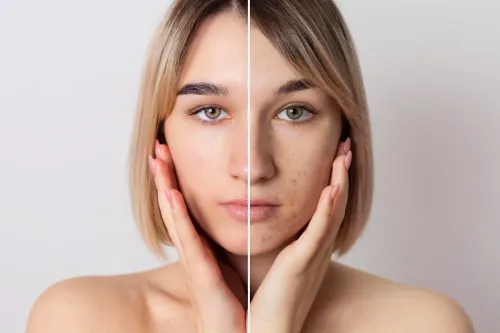
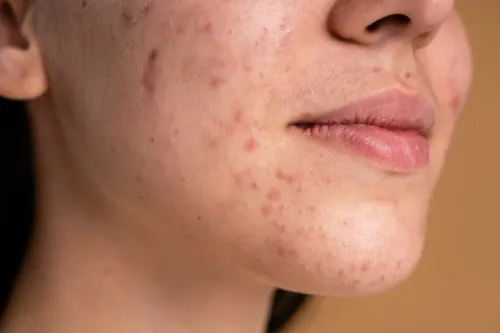
People considering Chemical Peeling Treatment in Nashik often want help with acne, superficial pigmentation, uneven texture, dullness, or post-acne marks. Whether a peel is appropriate depends on the skin concern, skin type, current skincare routine, medications, and the strength of the peeling agent.
Different acids have different characteristics. Glycolic acid, salicylic acid, lactic acid, and other formulations may be considered depending on the clinical objective. This is why choosing a peel based only on its popularity on social media is not ideal.
What happens before a chemical peel?
A proper assessment helps determine whether the skin is ready for the procedure. The clinician may review active acne, sensitivity, pigmentation tendencies, recent cosmetic procedures, sun exposure, and products such as retinoids or exfoliating acids.
Certain situations may require postponing a peel until the skin barrier has recovered.
During a professionally performed procedure, the formulation and exposure are controlled according to the treatment plan. Sensations can differ depending on the peel, with some people experiencing temporary warmth, tingling, tightness, or mild redness.
Does every chemical peel cause visible peeling?
No. A treatment can produce exfoliating effects without dramatic sheets of skin peeling away. The amount of visible flaking depends on the formulation and depth.
Aftercare matters because freshly treated skin may be more sensitive. Typical instructions can include:
- Using a gentle cleanser
- Applying an appropriate moisturiser
- Avoiding picking or pulling flaking skin
- Temporarily stopping irritating active ingredients when advised
- Limiting unnecessary sun exposure
- Using suitable sunscreen consistently
For people living in Nashik and other sunny parts of Maharashtra, post-procedure sun protection deserves particular attention. Excessive sun exposure following certain procedures may contribute to irritation or pigmentation.
Chemical peeling should also not be treated as a universal solution. Deep acne scars, for example, may require a different procedure or combination approach, while certain pigmentation conditions need careful assessment before any peel is selected.
The safest starting point is to identify the actual skin concern and establish whether chemical exfoliation is suitable for it. When the peel type, strength, frequency, and aftercare are chosen according to individual skin characteristics, the treatment becomes far more purposeful than simply selecting a generic facial peel.